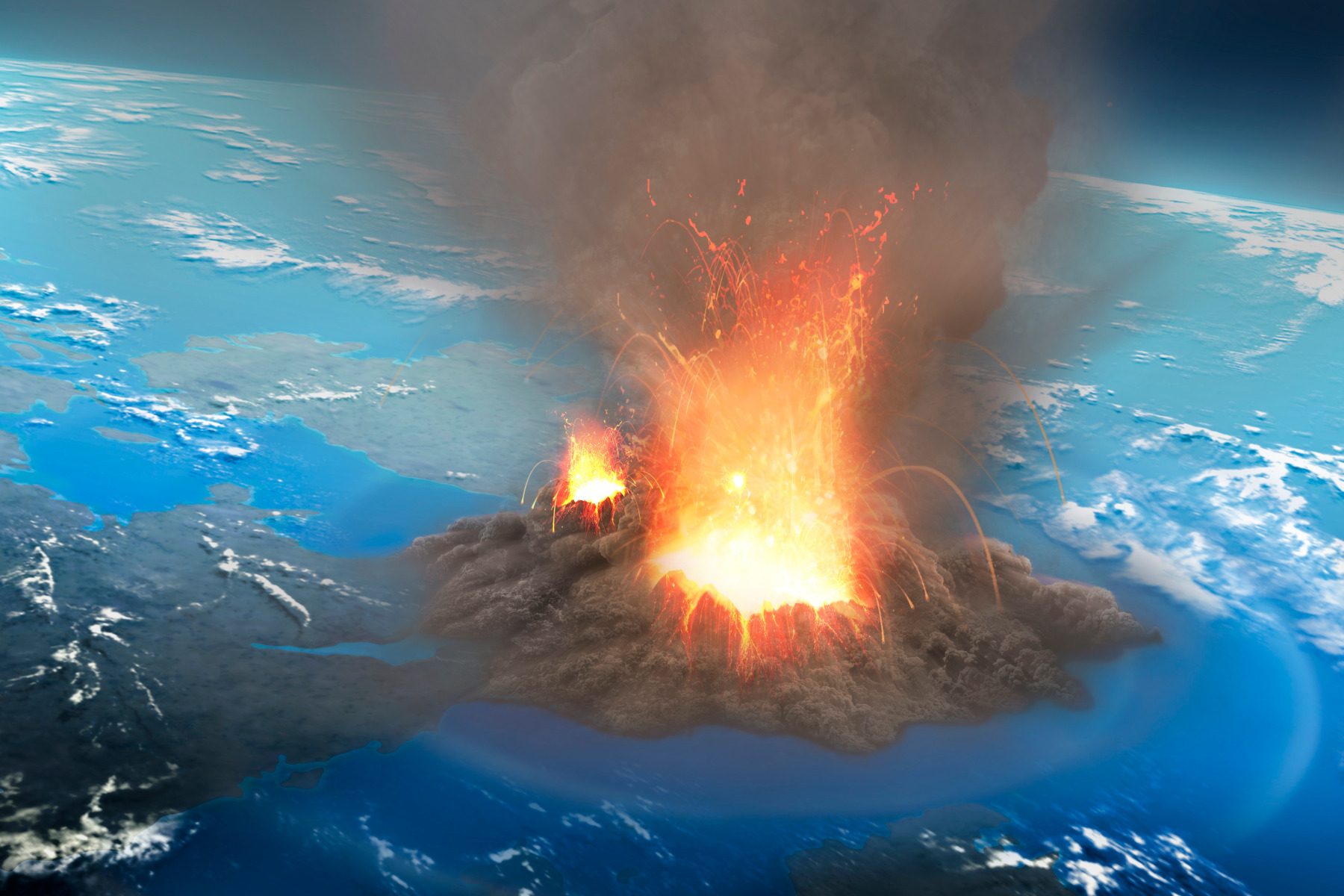
Yellowstone’s supervolcano attracts attention due to potential risks and myths surrounding its eruption probability.
The Yellowstone supervolcano, situated in the United States, is one of the most studied volcanic systems globally. Its immense size and power are subjects of fascination and concern. However, scientific monitoring provides essential insight into the reality of its potential hazards.
Monitoring the Giant
Dedicated teams at Yellowstone Volcano Observatory (YVO) closely monitor seismic activity, ground deformation, and gas emissions to track the supervolcano’s behavior. These efforts aim to detect any significant changes that might indicate future eruptions.
According to YVO, while yearly seismic activity is normal, there are no current signs of an imminent eruption. These activities offer a critical reassurance and help in developing detailed risk mitigation strategies.
Assessment of Risks
Despite its fearsome reputation, the actual risk of an eruption is relatively low. Experts estimate a major eruption could occur once every 600,000 to 800,000 years. Current geological data does not suggest any unusual movements that might indicate such an event soon.
Researchers emphasize that while minor volcanic activity might be witnessed, expectations of a catastrophic event remain speculative and unsupported by ongoing scientific analysis.
Addressing Misconceptions
Popular narratives often emphasize doomsday scenarios, driven by sensational media portrayals. However, scientists strive to correct these myths, emphasizing evidence-based assessments instead.
Misunderstandings about the ‘overdue’ eruption are common. Instead, geological timelines demonstrate the complexity and unpredictability of volcanic cycles.
Scientific Preparedness
Collaborative efforts involve not only monitoring but also preparing for potential events through comprehensive planning. This includes public education campaigns and response plans that local governments and international agencies could employ if needed.
Preparedness involves a multidisciplinary approach, blending geology, biology, and emergency management to minimize impacts on human and ecological systems.
Conclusion
While Yellowstone’s supervolcano remains under constant study, the balance between public concern and scientific clarity is vital. Realistically, understanding its behavior and maintaining open communication channels help alleviate unfounded fears.
Continued research and transparent dissemination of findings ensure that community safety remains paramount, reducing the mystique surrounding this ancient natural wonder.