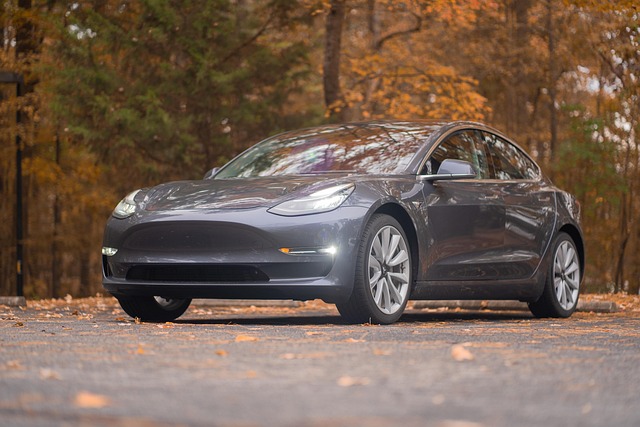
With advancements in AI, battery technology, and autonomous vehicles, Tesla could dominate the automotive industry by 2030, according to industry experts.
Tesla has long been at the forefront of innovation in the automotive world. As technology evolves, the company is leveraging artificial intelligence and battery advancements to potentially lead the pack by the end of this decade.
AI Integration: Driving the Future
Artificial intelligence (AI) is set to revolutionize the automotive industry, with Tesla investing heavily in this space. Elon Musk has often emphasized the role of AI in enhancing vehicle performance, safety, and the overall driving experience.
Tesla’s AI-driven autopilot system is a prime example of this technological leap. According to reports, it continuously learns from millions of miles of driving data, allowing vehicles to adapt and improve over time.
This dynamic use of AI not only differentiates Tesla from traditional carmakers but also sets a benchmark in the development of fully autonomous vehicles.
Leading Battery Technology
The future of electric vehicles heavily depends on advancements in battery technology. Tesla has pioneered efforts in this area with its cutting-edge battery systems, which are critical to both vehicle range and affordability.
Reports suggest that Tesla is working on next-generation batteries that promise longer lifespans, faster charging, and more efficient energy use. This could significantly reduce costs, making electric vehicles more accessible to a broader audience.
Such innovations underscore Tesla’s commitment to sustainability and its potential to reshape energy consumption across the globe.
Autonomous Vehicles: A Paradigm Shift
Autonomous driving capabilities are rapidly evolving, and Tesla is at the heart of this transformation. By 2030, experts believe self-driving cars could be commonplace, with Tesla leading the charge.
The company’s Full Self-Driving (FSD) suite has garnered attention for its advanced features. According to sources, Tesla plans to enhance these capabilities further, aiming for a complete autonomous experience.
While regulatory hurdles remain, the progress in autonomous vehicles could redefine transportation, reducing accidents and improving traffic management.
Competition and Market Position
Despite Tesla’s lead, competition within the auto industry is intensifying. Rivals such as General Motors and Ford are also investing in electric and autonomous technologies, striving to capture market share.
However, Tesla’s early entry and sustained innovation give it a competitive edge. Industry analysts suggest that Tesla’s brand recognition, combined with technological prowess, secures its spot as a leading contender.
The company’s strategic partnerships and ambitious expansion plans could solidify its dominance, making it a central figure in the auto industry of tomorrow.
Challenges Ahead
While Tesla’s prospects are promising, several challenges could impact its future trajectory. Market volatility, production issues, and regulatory constraints are notable hurdles.
It is also reported that consumer adoption rates and the broader economic environment will play crucial roles. Addressing these challenges will require strategic planning and innovation.
Nonetheless, Tesla’s track record of overcoming obstacles suggests it might continue to thrive and lead the automotive revolution.
In conclusion, as technology continues to evolve, Tesla’s strategic focus on AI, battery advancements, and autonomous vehicles could propel it to dominate the auto industry by 2030. However, with great opportunities come significant challenges that the company must navigate in its pursuit of automotive supremacy.